Click to download now, finish the installation quickly, and directly unlock the "all-round experience"
Screenshots

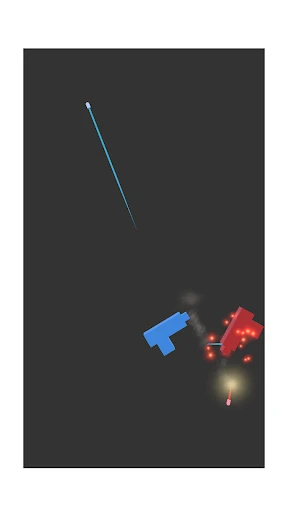

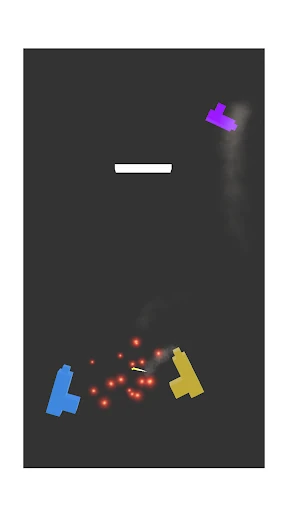

Click to download now, finish the installation quickly, and directly unlock the "all-round experience"
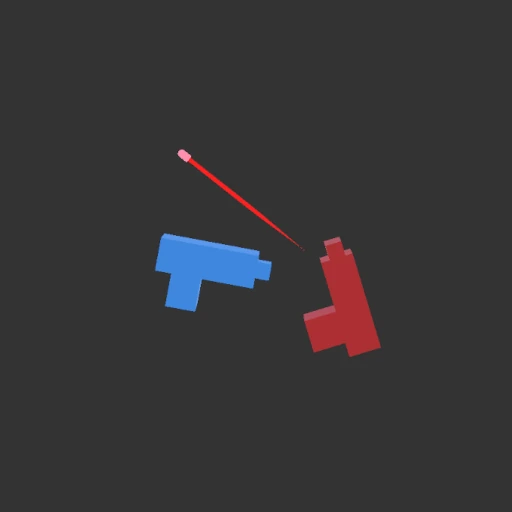
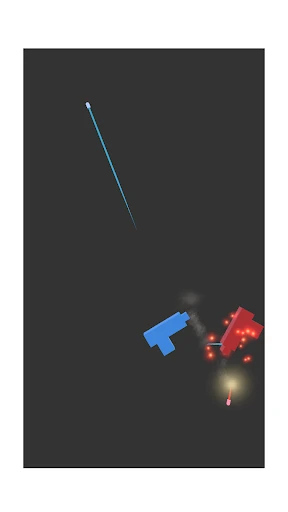
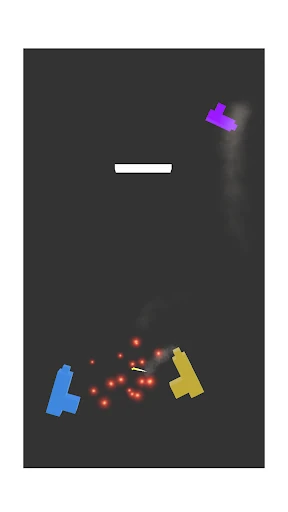
Pistol Duel carves out a unique niche within the Action category by cleverly merging traditional shooting mechanics with physics-based movement. It is a game about precision, rhythm, and momentum management. Unlike standard action shooters where movement and aiming are separate controls, this app innovates by tethering them together through a core "kickback" mechanic. This creates a distinctive gameplay loop that requires players to master timing and recoil for both offense and navigation, offering a fresh twist on a familiar genre.
The core UX principle appears to be elegant simplicity. The interface is almost certainly minimal, likely consisting of just the gameplay arena and essential UI elements like a score or level indicator. This laser focus on the core mechanic means the game is easy to learn but difficult to master—a hallmark of great arcade-style action games. The thrill comes from the direct, visceral feedback of a shot: the bullet hitting the target and the subsequent, immediate pushback on the player's avatar. The UX flow is a tight loop: observe, aim, tap (for both attack and movement), and reposition, creating a compelling rhythm.
Future updates should focus on expanding the game's systems to sustain engagement. Introducing varied enemy types that require specific shooting patterns (e.g., armored foes needing multiple hits, fast dodgers) would force players to adapt their recoil strategies. Adding environmental hazards, moving platforms, or power-ups (e.g., temporary rapid fire, reduced recoil) could dramatically increase level variety. A meta-progression system, like persistent weapon upgrades or cosmetic unlocks, would provide compelling long-term goals beyond simply clearing the next level.
Pistol Duel is recommended for action game enthusiasts looking for a novel mechanic and players who enjoy skill-based, physics-driven gameplay. It is perfect for short, intense gaming sessions. Its core strength—the ingenious fusion of shooting and movement—makes it a standout. While it currently feels more like a brilliant prototype than a fully fleshed-out experience, its foundational gameplay is exceptionally strong. The final verdict is a highly promising and innovative action game whose potential is currently constrained by scope, not vision. With deeper content and more layered systems, it could easily become a genre benchmark.