Romantic Stickers WASticker.ly
Future-Apps
Downloads
10,000,000+
Version
Latest
Click to download now, finish the installation quickly, and directly unlock the "all-round experience"
Screenshots
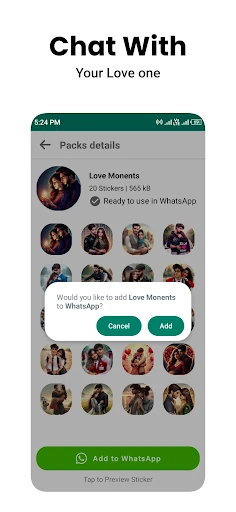
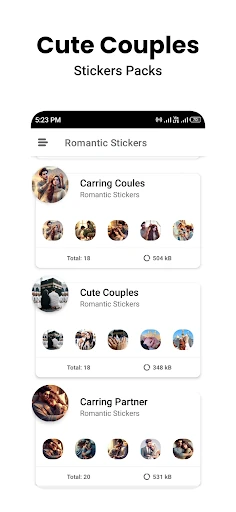
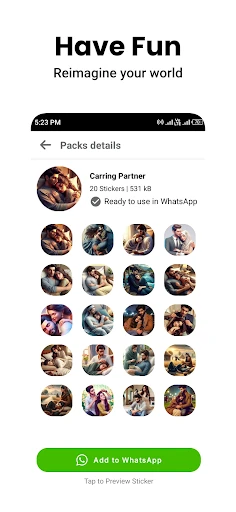
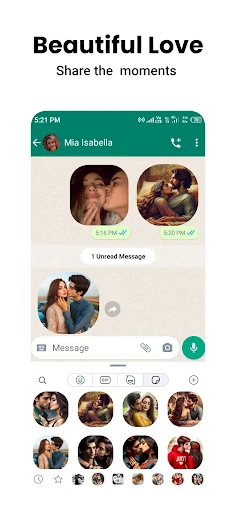
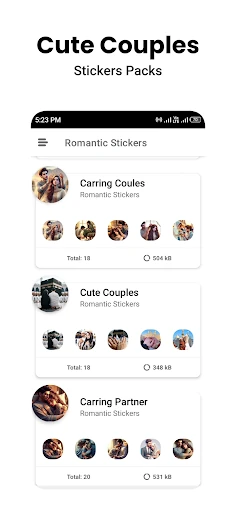
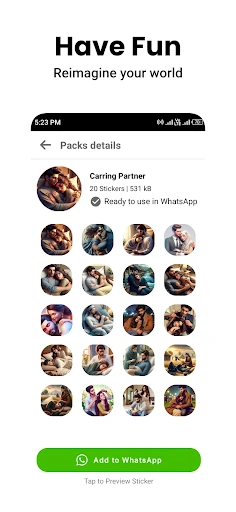
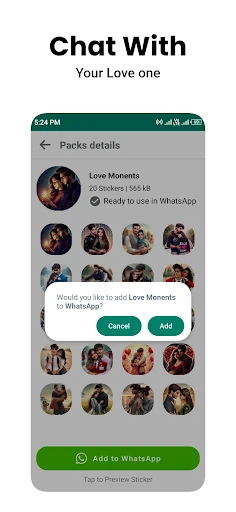
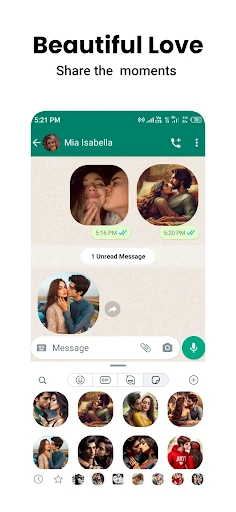
Click to download now, finish the installation quickly, and directly unlock the "all-round experience"
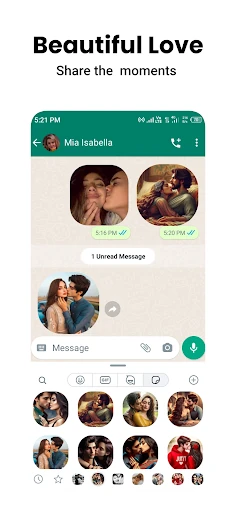
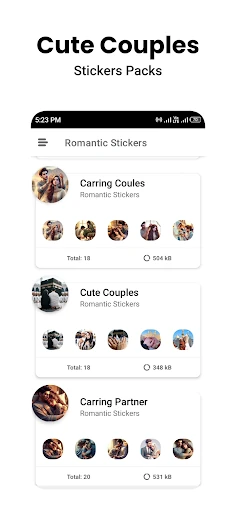
Romantic Stickers WASticker.ly carves out a specific niche within the Communication category by focusing on a single, high-demand emotional need: expressing affection in digital conversations. As a dedicated sticker pack for WhatsApp, it directly targets users seeking to enrich their chats with themed, visually expressive content that words alone may fail to convey.
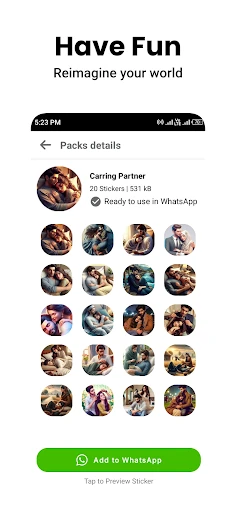
The UI appears straightforward, centered around a single, clear task: adding a sticker pack. The critical UX flow—install, tap "ADD," confirm—is simple and mirrors standard practices within the ecosystem, making it accessible for the average user. The design focus is on the stickers themselves as the product, with the app's interface likely serving as a minimal, functional wrapper. While functional for its core task, it lacks the polished discovery and management features found in leading, multi-pack sticker marketplace apps.
The most impactful update would be decoupling the sticker pack from the app's installation, allowing users to keep the stickers even after app removal, aligning with user expectations for content ownership. Secondly, introducing a "Sticker Maker" feature would allow users to create custom romantic stickers from personal photos, dramatically increasing personal relevance. Finally, regular updates with new, seasonal, or trending romantic sticker packs could transform the app from a one-time utility into a recurring destination.
This app is best suited for WhatsApp users who frequently engage in romantic conversations and desire a dedicated, ready-to-use collection of expressive stickers without complexity. It is a functional, niche tool that solves its core problem effectively. The Final Verdict: A focused utility for romantic expression, worthwhile for its intended purpose but with noticeable limitations in user control and long-term value compared to more robust platforms.