Click to download now, finish the installation quickly, and directly unlock the "all-round experience"
Screenshots
Click to download now, finish the installation quickly, and directly unlock the "all-round experience"
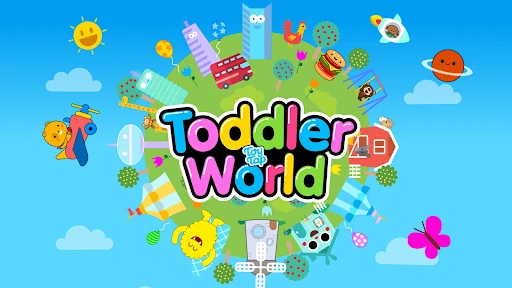
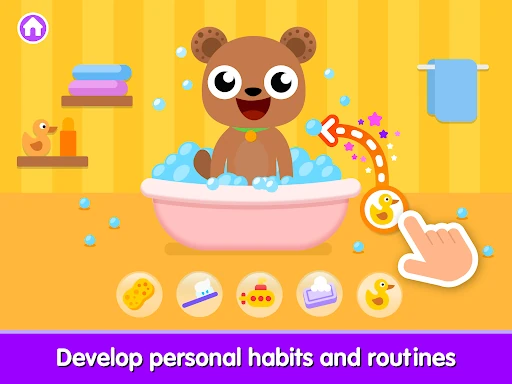
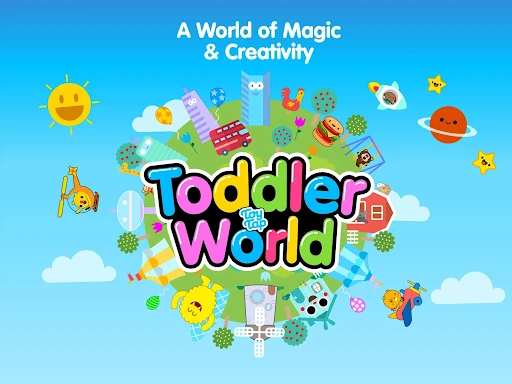
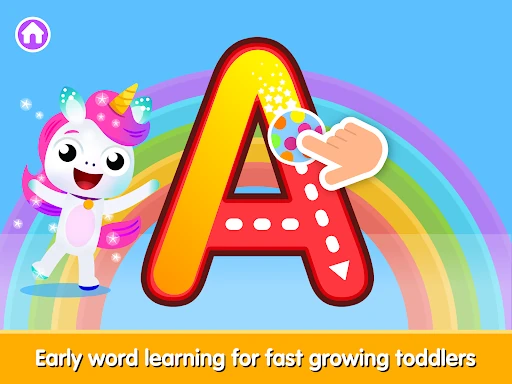
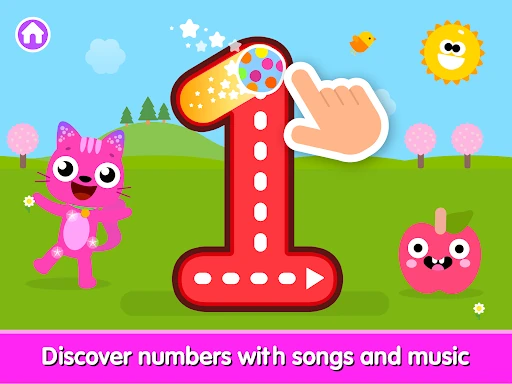
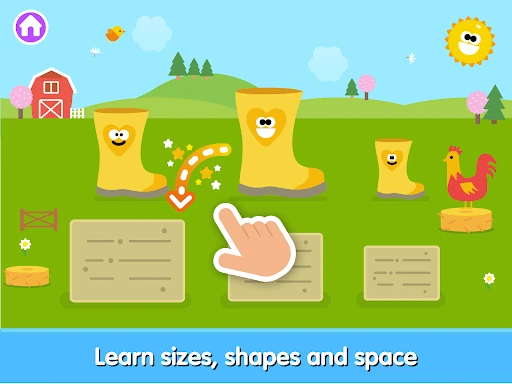
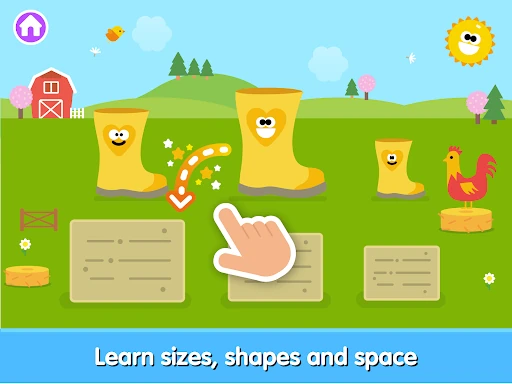
Toddler Games: Kids Learning from TapToy emerges as a solid contender in the crowded Educational category for early learners. The app presents itself primarily as a toolkit to engage toddlers (roughly ages 2-5) through a diverse suite of mini-games, directly targeting parental concerns over both entertainment and safety. Its core ethos – blending fundamental academic skill development with a "safe and joyful environment" – positions it strategically within a market where guardians seek structured digital activity without overwhelming complexity.
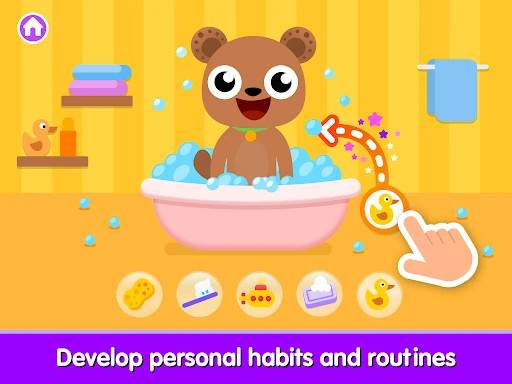
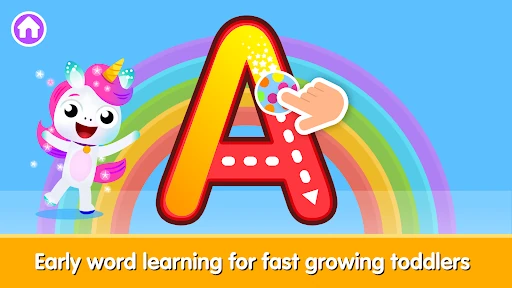
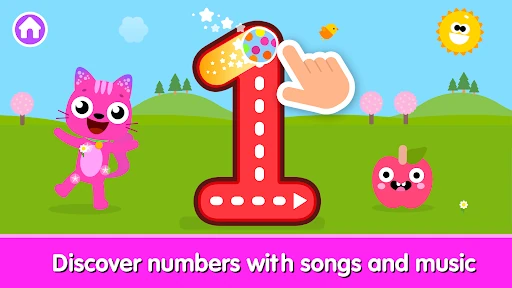
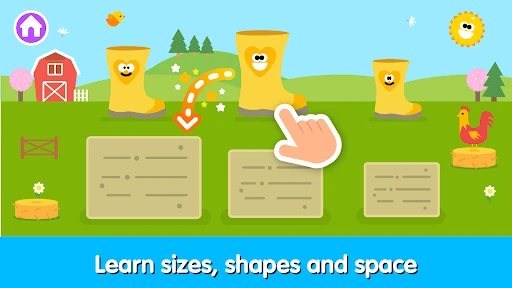
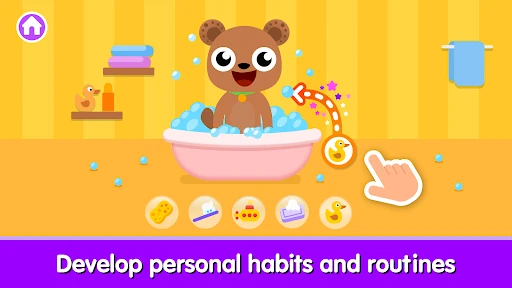
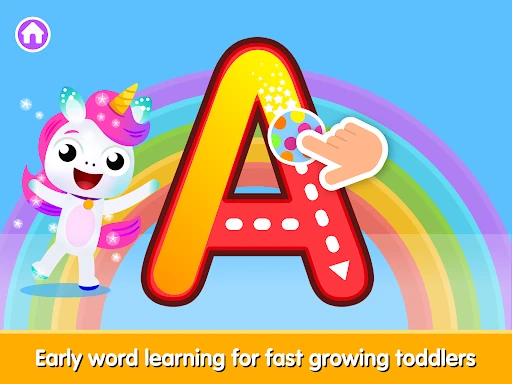
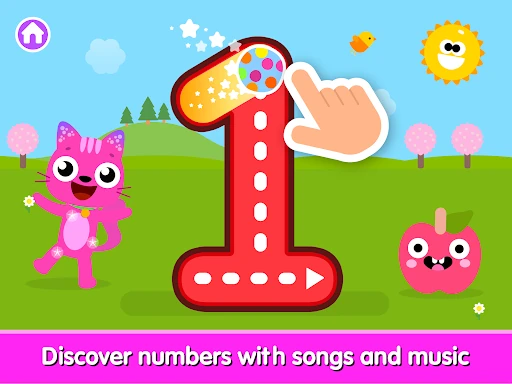
The interface clearly prioritizes the needs of its primary user—the toddler. Large, tappable icons with high-contrast colors and familiar imagery (animals, basic shapes) facilitate independent navigation. For the category, this is standard yet effective. UX flows are intentionally linear and simple, minimizing confusion and maximizing time-on-task. However, the depth of interaction within each game appears designed for brief, repetitive play sessions typical of the age group, focusing on recognition and simple motor skills over deep, progressive challenges. Navigation for the secondary user (the parent) is handled via the parental gate, a clean and expected solution.
For the next significant update, the developers should consider implementing detailed progress tracking or a simple report card for parents. This would provide tangible feedback on a child's interaction, moving the app from pure engagement to informed developmental support. Secondly, introducing adaptive difficulty within key games—where challenges subtly increase based on success—would greatly enhance long-term value and skill progression, preventing the content from becoming stale for a quickly learning toddler.
This app is best suited for parents and caregivers of toddlers (2-4 years old) seeking a safe, all-in-one digital sandbox to introduce foundational concepts like colors, shapes, and letters. It succeeds as a high-quality, low-friction "edutainment" tool rather than a deep, structured curriculum. The Verdict: Toddler Games: Kids Learning is a reliable and secure choice for casual, early learning play, recommended for its variety and safety-first design, though power-users seeking measurable educational outcomes may want to supplement it with more granular, data-driven apps.