Masha and the Bear: My Friends
DEVGAME KIDS games
Downloads
50,000,000+
Version
Latest
Click to download now, finish the installation quickly, and directly unlock the "all-round experience"
Screenshots
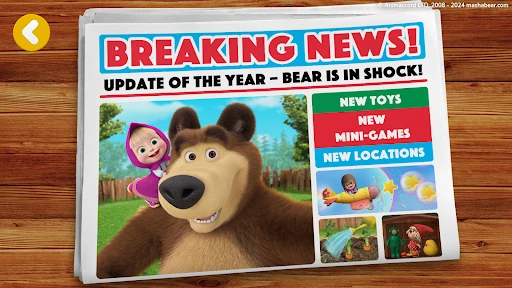
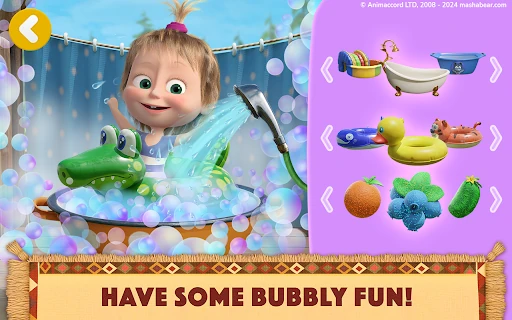

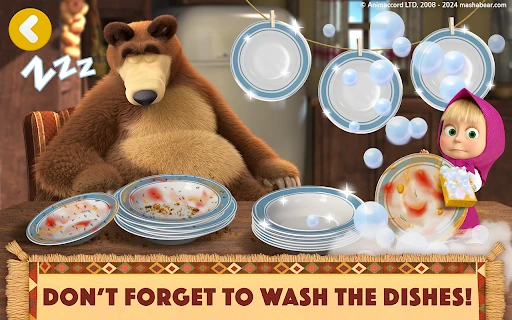
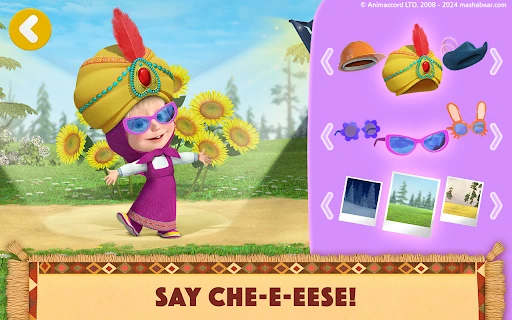
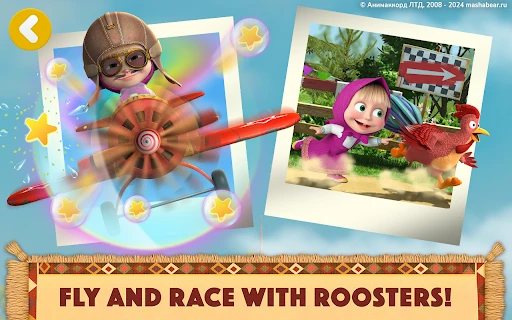
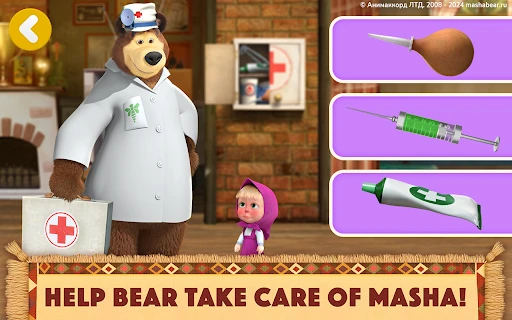
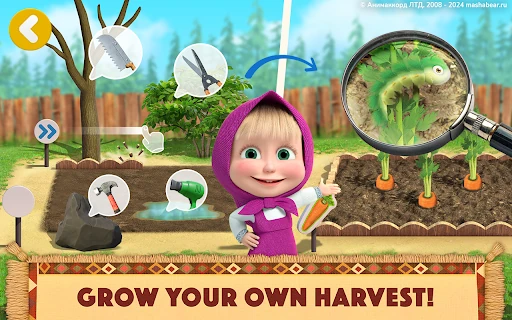


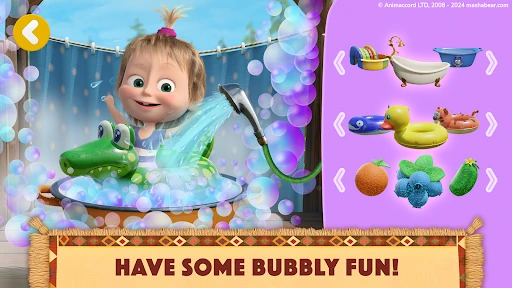

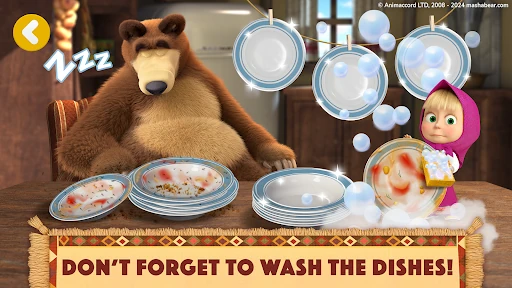
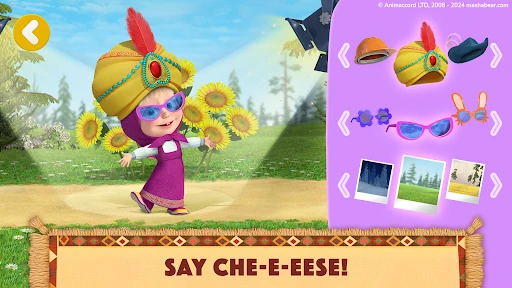

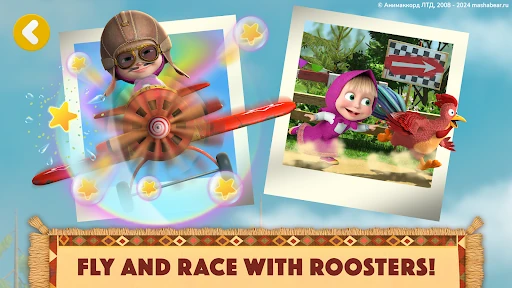
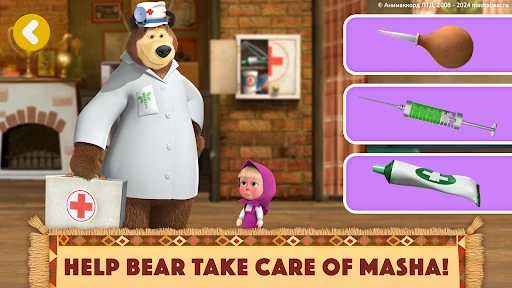
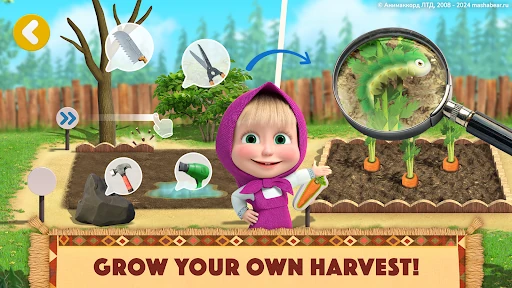
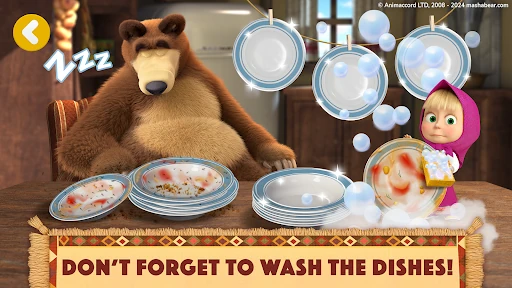
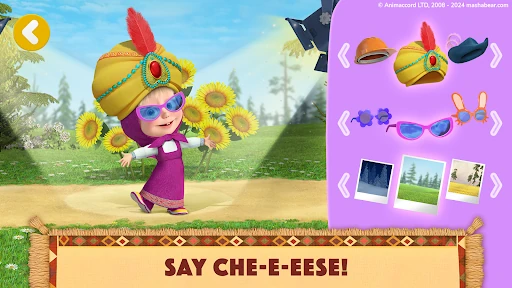
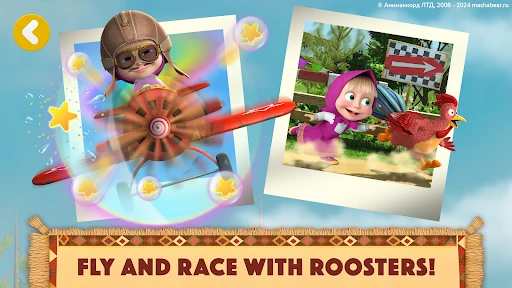
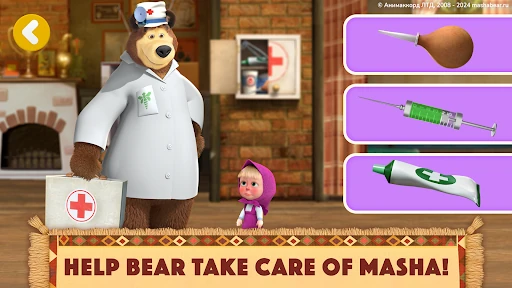
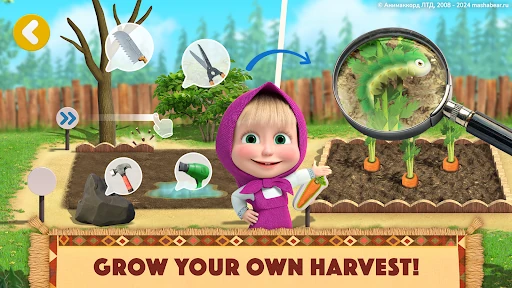

Click to download now, finish the installation quickly, and directly unlock the "all-round experience"
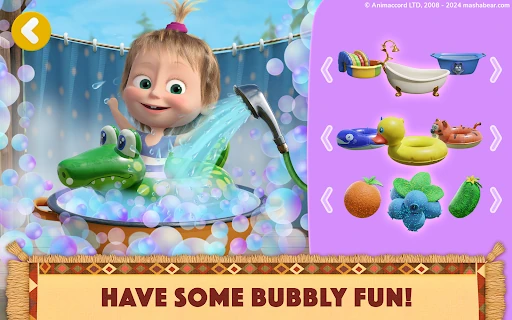
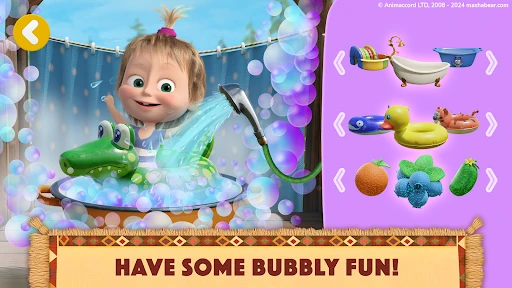
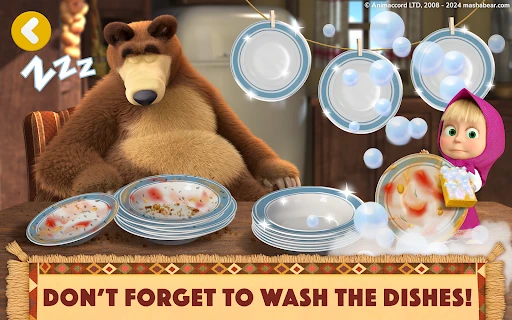
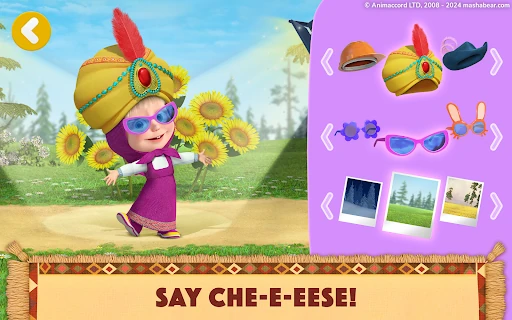
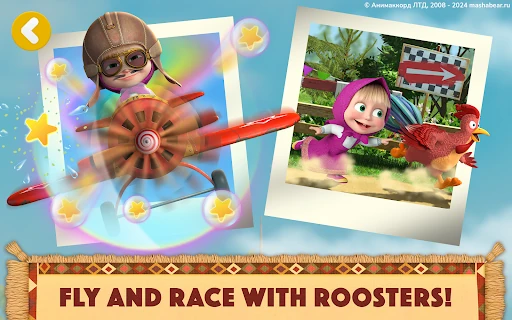
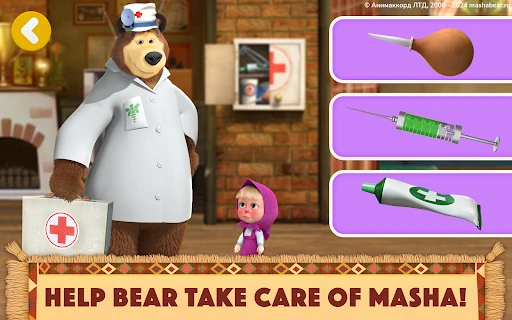
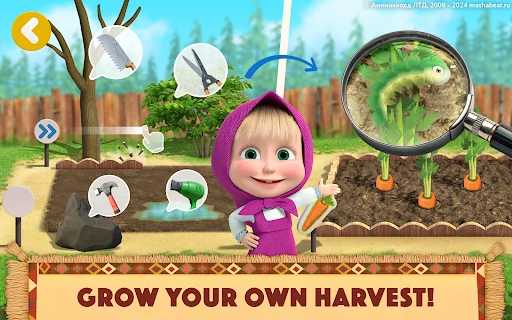
Masha and the Bear: My Friends presents itself as a role-playing and virtual pet experience targeted at preschool-aged children. It aims to merge the popular characters with daily care routines and a variety of simple activities, framing them within a structured day. While it borrows heavily from Tamagotchi-style mechanics, its core gameplay is less about deep narrative and more about fostering routine, creativity, and basic life skills through playful interaction. The app leverages a strong, familiar IP to create a safe, digital playground that aligns with expectations for the early childhood segment within the Role Playing category.
The interface, as implied by the target demographic, is almost certainly characterized by large, colorful, high-contrast buttons, minimal text, and clear visual feedback for every action. This is crucial for non-readers. Navigation appears to be linear and story-driven, following a day's schedule, which provides a predictable and comforting UX structure for young children. Icons and character animations are central to the UI, ensuring intuitiveness. For the Role Playing category aimed at this age group, the design likely excels in being approachable and reducing friction to entry, prioritizing ease over complexity.
A key area for the next update would be to introduce a "Parent's Corner" or enhanced settings panel. This should include clear, in-app controls for subscription management (not just a link to Google settings), progress reports on what skills the child engaged with, and options to adjust gameplay length. Adding a "free play" mode that decouples activities from the strict day-cycle could also increase replay value and cater to a child's spontaneous play desires.
This app is squarely aimed at children aged 3-6 who are fans of Masha and the Bear, and for parents seeking a digital toy that encourages routine and gentle learning. While it offers a polished and thematically strong experience for its core audience, the monetization model requires parental vigilance. The final verdict is a cautious recommendation: an excellent choice for supervised, limited play sessions for the target preschooler, but one where adults must proactively manage the financial settings from the outset.