
Click to download now, finish the installation quickly, and directly unlock the "all-round experience"
Screenshots



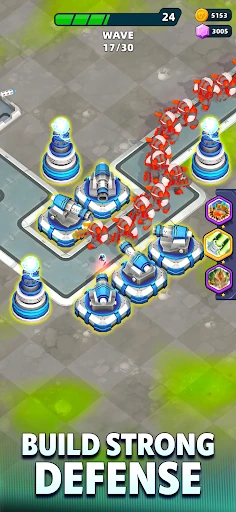
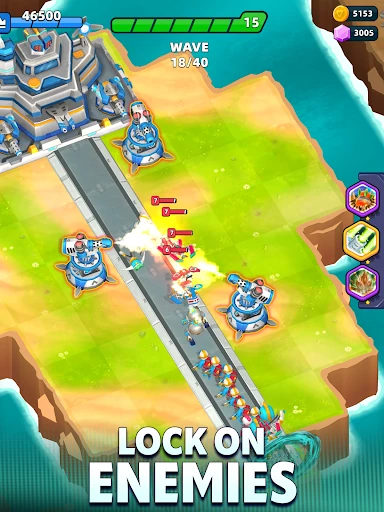

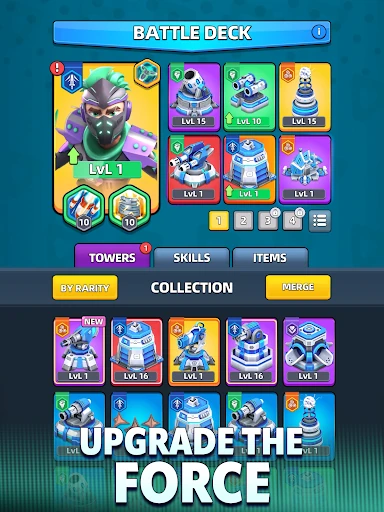
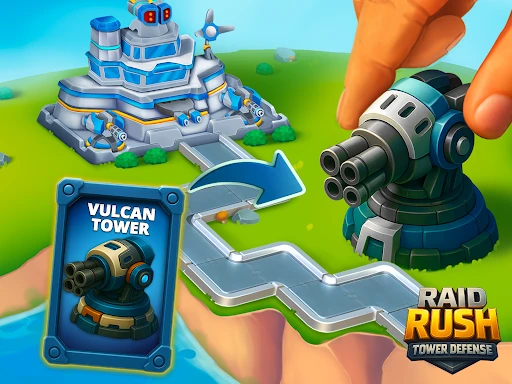


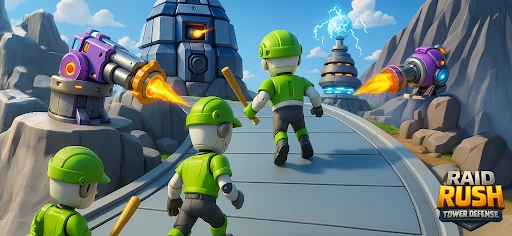

Click to download now, finish the installation quickly, and directly unlock the "all-round experience"
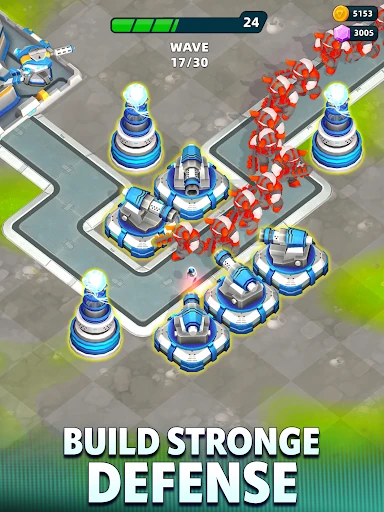
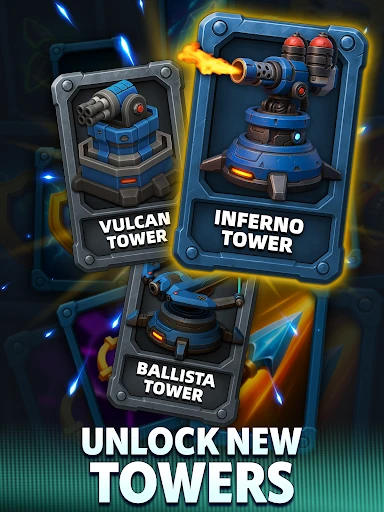
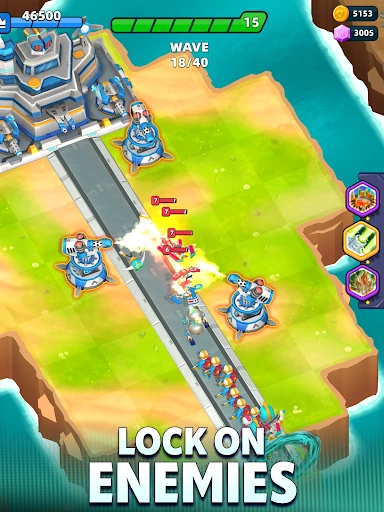
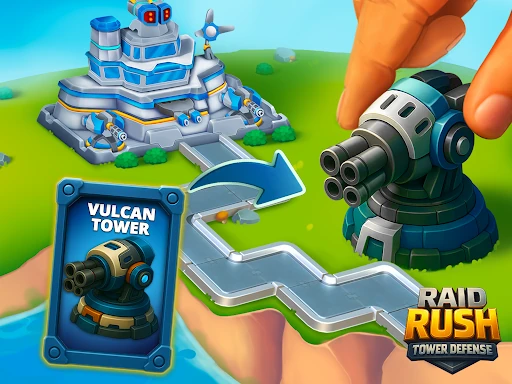
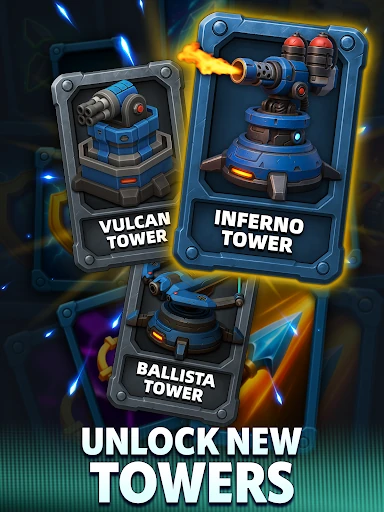
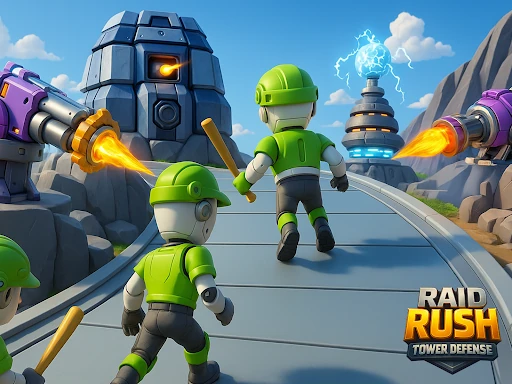
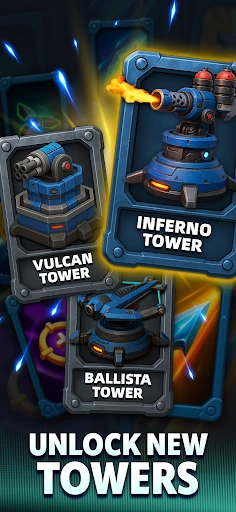
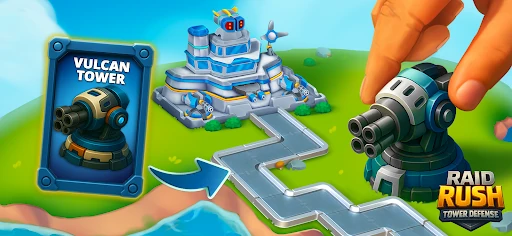
Raid Rush: Tower Defense TD carves its own niche within the crowded Strategy genre by blending classic tower defense mechanics with rogue-like deckbuilding and an innovative path-placement system. This unique fusion offers a refreshing take for veterans, emphasizing not just tactical tower placement but also long-term strategic planning and adaptability to unpredictable card draws. It's a game that respects player strategy while introducing elements of chance for dynamic, replayable battles.
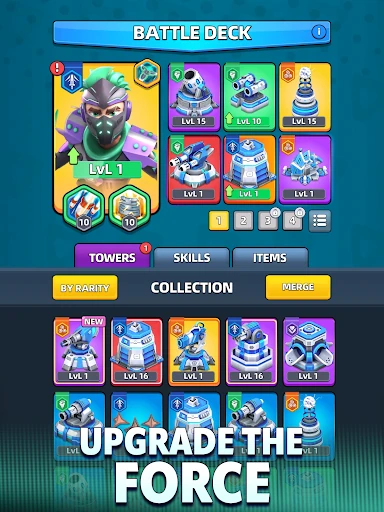
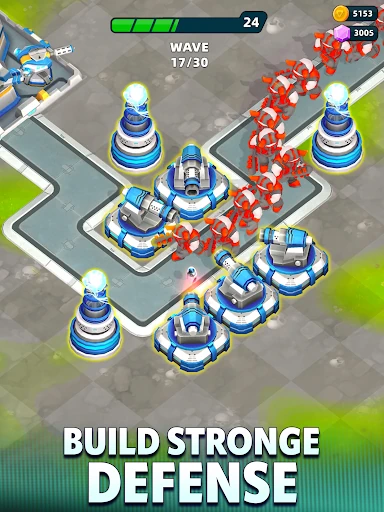
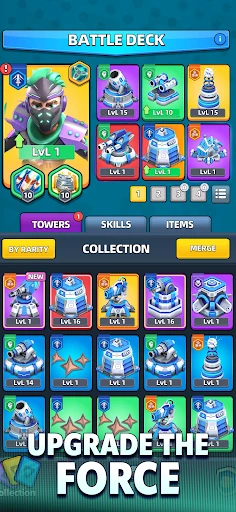
The UI appears to be built for clarity under pressure, a necessity for the fast-paced Strategy genre. Key information like tower stats and path options must be immediately accessible to facilitate the quick decisions the game's "rush" theme demands. However, the potential complexity introduced by managing decks, paths, heroes, and active skills simultaneously risks creating a cluttered or overwhelming interface for new players unfamiliar with hybrid genres. The success of its UX hinges on an intuitive, hierarchical layout that guides new users while remaining efficient for experts.
Future updates should prioritize refining the balance between strategy and chance. Implementing a "pity" system for card draws or offering limited re-rolls could mitigate player frustration. A more robust tutorial or an adjustable difficulty curve for early chapters would ease new player onboarding. Furthermore, adding social features like shared deck codes or cooperative defense modes would leverage the community to deepen engagement and strategic discovery.
Raid Rush is a compelling recommendation for experienced Strategy and Tower Defense enthusiasts seeking a deeper, more unpredictable challenge. It is less suited for players who prefer pure, deterministic tactical planning or those easily frustrated by random elements. For its target audience of genre veterans, it delivers a potent mix of familiar mechanics and inventive twists, providing a complex and rewarding puzzle that feels different with every playthrough.