Daddy-to-be app: HiDaddy
HiMommy - Pregnancy Day By Day - Expecting Baby
Downloads
50,000+
Version
Latest
Click to download now, finish the installation quickly, and directly unlock the "all-round experience"
Screenshots

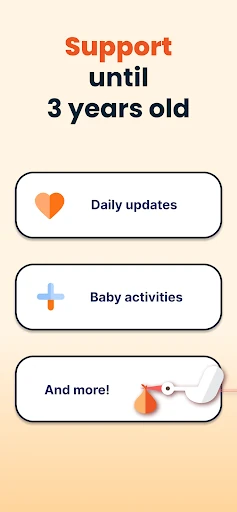
Click to download now, finish the installation quickly, and directly unlock the "all-round experience"
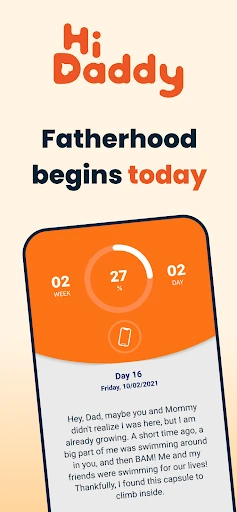
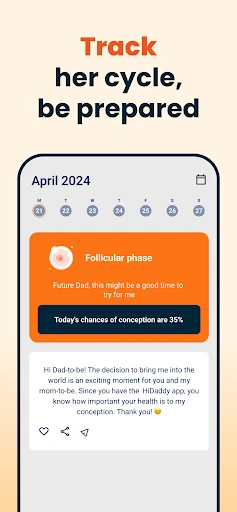
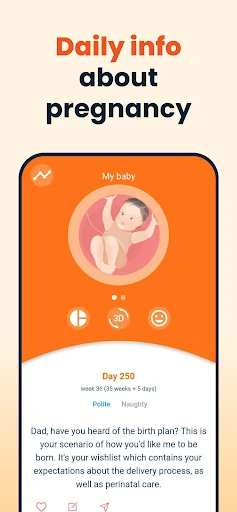
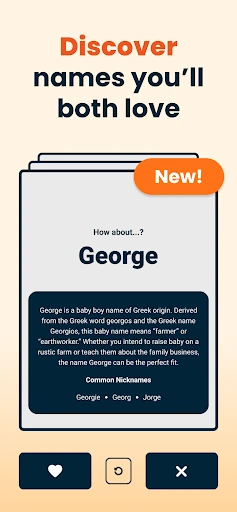
Daddy-to-be app: HiDaddy positions itself as a comprehensive digital companion for the modern father's journey, effectively identifying a growing market within the Parenting category. It distinguishes itself by focusing specifically on the male perspective during conception, pregnancy, and early parenthood, an often underserved demographic in family-focused apps. The app's strength lies in translating complex biological and emotional milestones into digestible, actionable information and encouragement for dads.
The app's UX appears intuitive, promising a clear phase-based journey from conception to toddlerhood, which aligns with the user's real-life timeline. The "Choose your vibe" feature for notifications demonstrates thoughtful UX design by personalizing tone. For the Parenting category, this approach is effective; it prioritizes reducing overwhelm by presenting complex information in bite-sized, daily chunks rather than dense manuals.
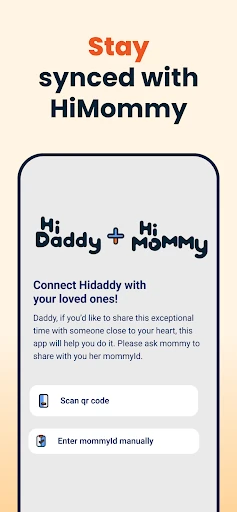
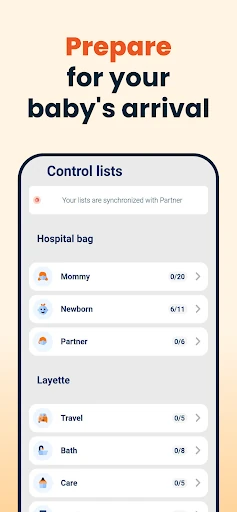
Future updates should consider adding features for direct partner collaboration (e.g., synchronized calendars, shared logs) to enhance its role as a communication tool. Integrating community forums or peer support groups for dads could significantly increase long-term retention and user value beyond the toddler stage. Enhancing data visualization for tracking metrics would also elevate its utility from an informative app to a true analytical tool for the involved father.
HiDaddy is a highly recommended app for expecting and new fathers, particularly first-time dads seeking structure and reassurance. It successfully carves a niche by speaking directly to the male experience with empathy and practicality. While power users may desire deeper integrations, its core value proposition—guiding a father from uncertainty to confidence—is executed with clear intent and user-centric design.