Sound&Sleep Tracker by Remly
Deep Flow Apps
Downloads
1,000,000+
Version
Latest
Click to download now, finish the installation quickly, and directly unlock the "all-round experience"
Screenshots
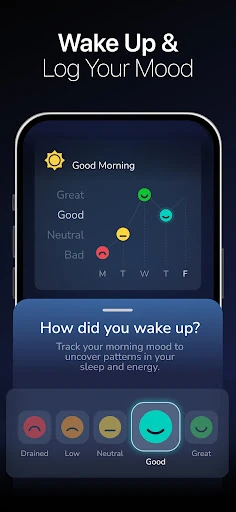
Click to download now, finish the installation quickly, and directly unlock the "all-round experience"
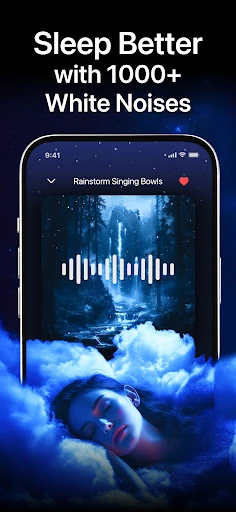
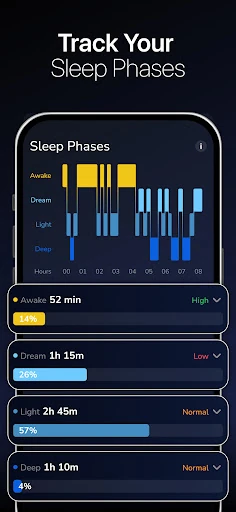
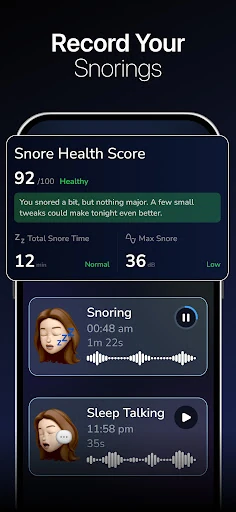
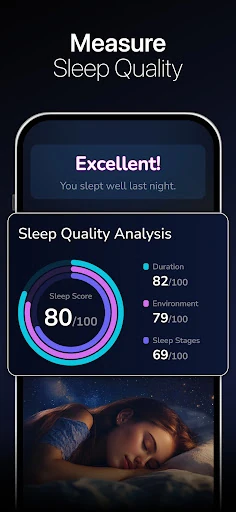
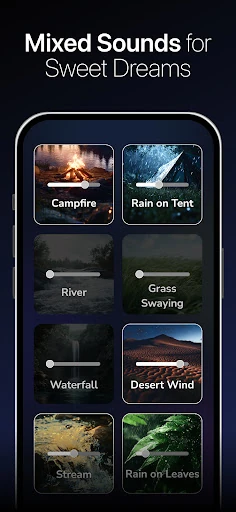
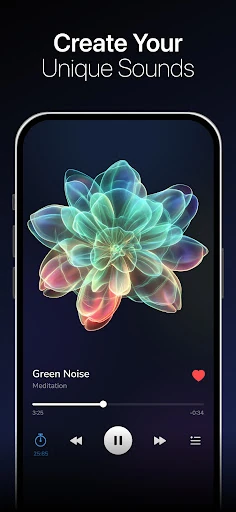
Sound&Sleep Tracker by Remly positions itself as a comprehensive, all-in-one sleep solution within the crowded Health & Fitness landscape. It successfully bundles traditionally separate functions—white noise generation, meditation guidance, sleep cycle tracking, and audio event recording—into a single, user-focused package. This integrated approach addresses a core user desire: not just to monitor sleep, but to actively influence and improve it through accessible, science-backed tools. The app’s emphasis on personalization and actionable insights elevates it above basic sleep sound players.
The interface prioritizes simplicity, a crucial factor for users engaging with the app during pre-sleep wind-down routines. Descriptions like "clean and intuitive" and "easy to browse" suggest a focus on reducing cognitive load. For the Health & Fitness category, this is well-aligned, as complexity can deter regular use. However, the effectiveness of integrating multiple high-level features (mixing sounds, reviewing graphs, logging data) into a single, truly seamless flow would be the ultimate test of its UX maturity. The success hinges on whether the design makes these powerful tools feel effortless rather than overwhelming.
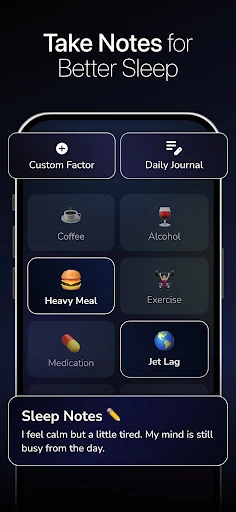
Future updates should focus on smarter data integration and ecosystem connectivity. The app should move from presenting separate datasets to generating automated, synergistic insights—e.g., "Your sleep was 15% more restless on nights you logged high stress; consider starting the 'Calm Pulse' breathwork session 30 minutes earlier." Integration with broader health platforms (Google Fit, Apple Health) is essential to contextualize sleep data within overall activity and wellness. Enhancing privacy controls, such as optional on-device audio processing, would build greater user trust.
Sound&Sleep Tracker by Remly is best suited for individuals who are proactively seeking to understand and improve their sleep beyond just listening to calming sounds. It is a strong recommendation for data-curious users, light sleepers disturbed by environmental noise, and those who value a customizable, all-in-one toolkit over a suite of disparate single-purpose apps. While it may offer more than a casual user needs, its integrated approach provides genuine value for anyone serious about deconstructing and optimizing their nightly rest.